Telephone
+39 045 618 2027

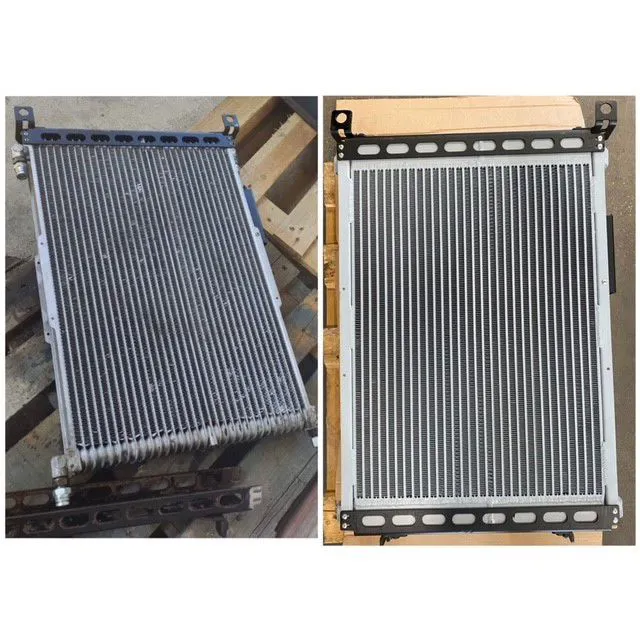
Hydraulic oil radiators, water radiators and air conditioning
HYDRAULIC OIL AND WATER RADIATORS FOR ENGINES AND AIR CONDITIONING RADIATORS
Large warehouse of aluminum car radiators for engines, air conditioning, hydraulic oil and new generator radiators of all brands at very affordable prices.
Water radiators
Heaters
Capacitors
Intercooler radiators
Air conditioning radiators
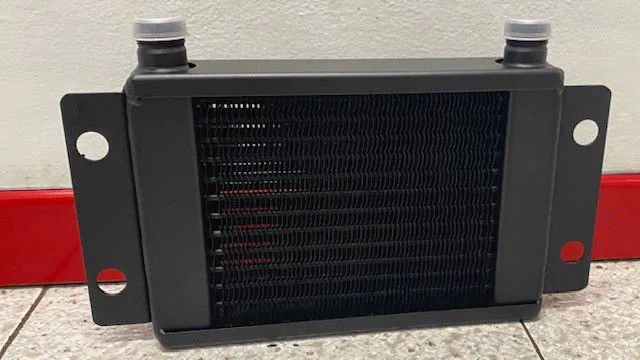
Hydraulic oil coolers
Evaporators
Hydraulic oil heat exchangers
Oil cooler
Radiating masses
Hydraulic oil heat exchangers
Oil cooling radiators
OTHER COMPONENTS/PRODUCTS
Air conditioning compressors
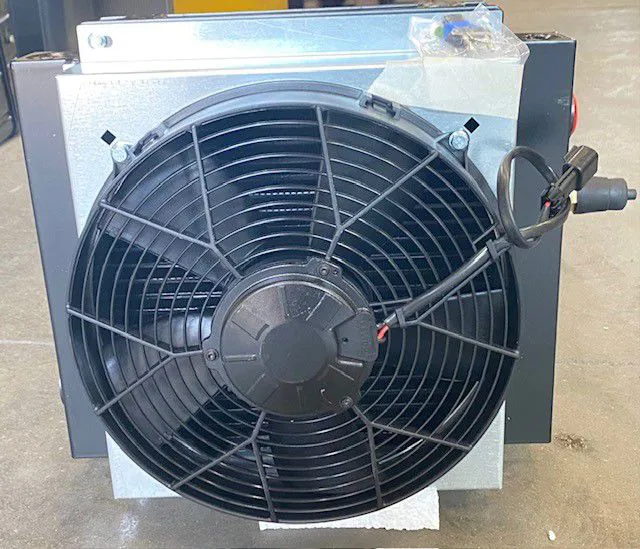
Fans and electric fans
Turbochargers, new or remanufactured
Air conditioning kit
Expansion valve
CUSTOM RADIATOR
Customized radiator design or sample construction for:
Water radiators
Intercooler radiators
Aluminum heat exchangers for oil, steam, water, air and gas systems
Compressors
The creation of bespoke radiators requires a highly specialized design and manufacturing process. Below are the general steps for creating custom radiators:
1. Analysis of customer specifications: The radiator manufacturer must understand the customer's specifications and requirements, such as the size, shape, material and performance required.
2. Radiator design: Based on customer specifications, a customized radiator is designed, taking into account materials, tube and fin configuration, and surface finishes.
3. Prototype creation: A prototype of the radiator is created to test performance, dimensions and compatibility with the vehicle.
4. Production of the radiator: once the prototype is completed, the customized radiator is produced. This process may include welding of the tubes and fins, pressing of the fins and surface finishing.
5. Testing and Installation: Once manufacturing is complete, your custom radiator is tested for performance and compatibility with your vehicle. Subsequently, the radiator is installed in the customer's car.
MATERIALS
Aluminum
Copper
Brass
Stainless steel
WATER RADIATOR REPAIR
Engine cooling radiators, aluminum radiators, air conditioning radiators, generator radiators, intercooler radiators, hydraulic oil
Aluminum heat exchangers, compressors
Replacement of damaged trays and sides
INTERCOOLER RADIANT MASSES
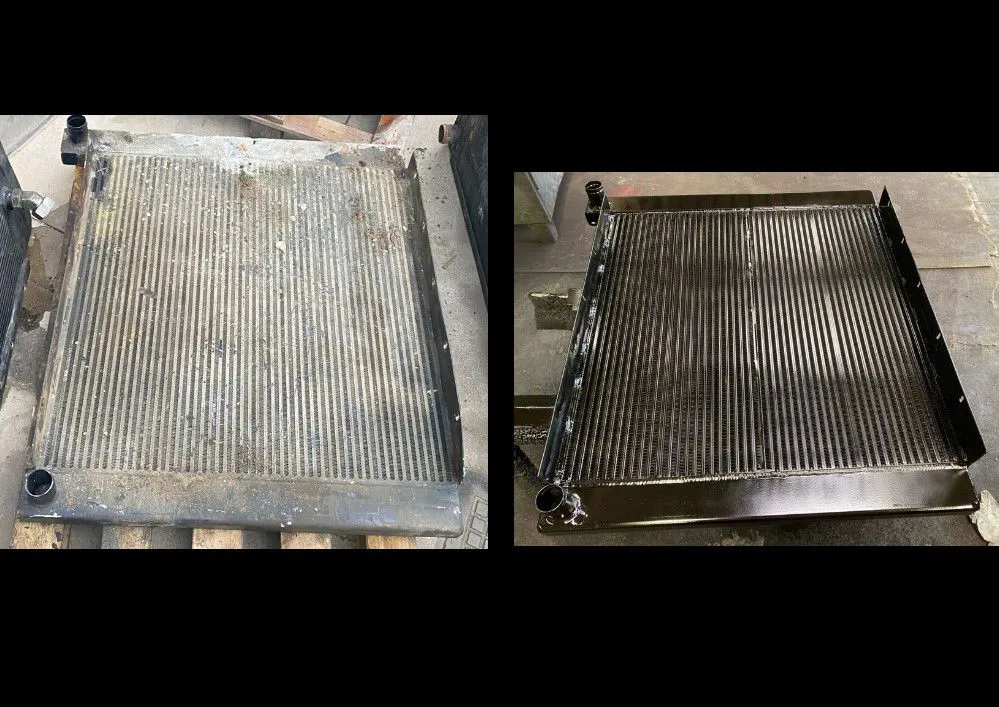
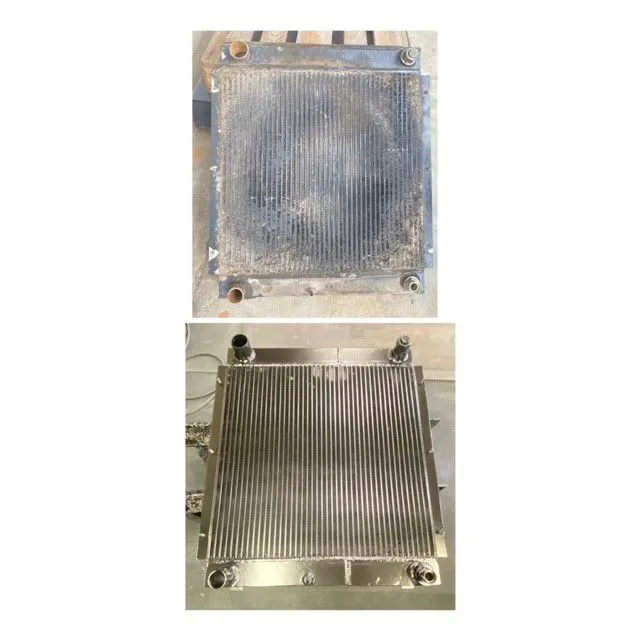
Complete disassembly and internal cleaning of the radiator mass and reassembly
Replacement of intercooler radiant masses: original, in aluminum and copper (oversized, reinforced, with tin bath and with anti-dirt system (e.g. for combine harvesters, vehicles that work in sandy or very dusty areas and environments);
Replacement of aluminum intercooler radiant masses for compressors, high specialization in processing (overhauls, replacement of radiant masses, cleaning, reinforcements..) with customized solutions for large radiators e.g.: Caterpillar – Perlini – Fiat Hitachi – Benati – Komatsu – Fiat Allis – New Holland Blackbird Manitou
OIL COOLING RADIATORS
Oil radiators for engine cooling are essential components in internal combustion engines. These radiators use engine oil as a cooling fluid, allowing the heat generated by friction and engine operation to dissipate. The oil is pumped through the radiator, where it passes through a series of fins and tubes, dissipating excess heat. Once cooled, the oil is then pumped back into the engine to continue lubricating and protecting moving parts. Oil-filled radiators are important to prevent the engine from overheating and to extend its useful life.
HYDRAULIC OIL HEAT EXCHANGER
An oil-hydraulic heat exchanger is a component used in hydraulic systems to cool hydraulic oil. This exchanger works by exchanging heat between hydraulic oil and a cooling fluid, usually water or air. Hot hydraulic oil flows through a series of tubes, while the cooling fluid flows along a separate path, separated by thin walls capable of transferring heat. This heat exchange process allows the temperature of the hydraulic oil to be reduced, preventing the hydraulic system from overheating and prolonging its life. Oil-hydraulic heat exchangers are used in a wide range of applications, including industrial plants, heavy machinery and transmission systems.
ALUMINUM INTERCOOLER RADIANT MASES
Intercooler radiator cores are components used in internal combustion engines to improve the efficiency of the turbo compressor. These components consist of small tubes or plates filled with dense material, often metal or ceramic, that act as heat exchangers.
During engine operation, compressed air from the turbo is sent to the intercooler, where the radiator cores absorb the heat and cool the air before it is sent to the engine for combustion. This compressed air cooling process increases the density of the air, improving engine efficiency and reducing wear on internal components.
In summary, intercooler radiator cores play a crucial role in reducing the temperature of the compressed air, improving the efficiency and performance of the engine.
ALUMINUM CAR RADIATORS: WHY THIS MATERIAL?
Car radiators are often made of aluminum for several reasons. Firstly, aluminum is a lightweight but strong metal, making it ideal for use in automotive applications where weight is a critical factor. Additionally, aluminum has high thermal conductivity, meaning it is able to dissipate heat efficiently, ensuring adequate engine refrigeration.
Furthermore, aluminum is resistant to corrosion which means that aluminum radiators last longer than radiators made of other materials. Finally, aluminum is easy to work and form and for this reason it is an ideal material for the production of radiators with customized shapes and dimensions.
AIR CONDITIONING RADIATORS
Air conditioning radiators are an important component of automotive climate control systems. These radiators, also known as evaporators, perform the function of dissipating the heat generated by the air conditioning process inside the car interior.
Air conditioning radiators are generally made of aluminum or copper, and look like a sort of finned heat exchanger. The refrigerant circulating in the car's air conditioning system passes through the radiator pipes, and the air circulating in the passenger compartment is passed through the fins to dissipate the heat.
Air conditioning radiators can be damaged by several factors, such as debris buildup or insufficient coolant drainage. In the event of damage or malfunctions, it is important to replace the radiator to ensure the correct functioning of the car's climate control system.
To prevent problems, it is important to carry out regular checks and maintenance of your car's air conditioning system, including cleaning the air filters and checking the refrigerant level. In this way, correct functioning of the air conditioning system can be guaranteed and its useful life can be extended.
Request information